GEOTECHNICAL ENGINEERING1
IPSWICH
HomeGround improvementStone column design

Stone Column Design in Ipswich: Ground Improvement for Soft Soils

Sound ground. Sound decisions.

LEARN MORE

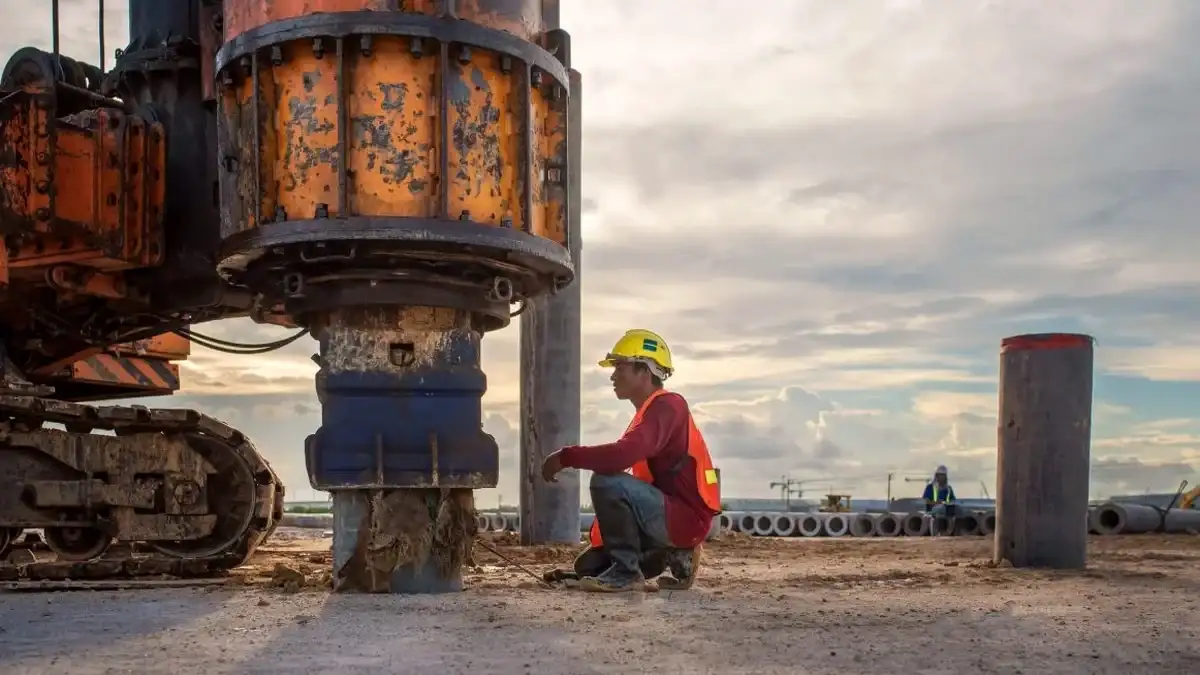
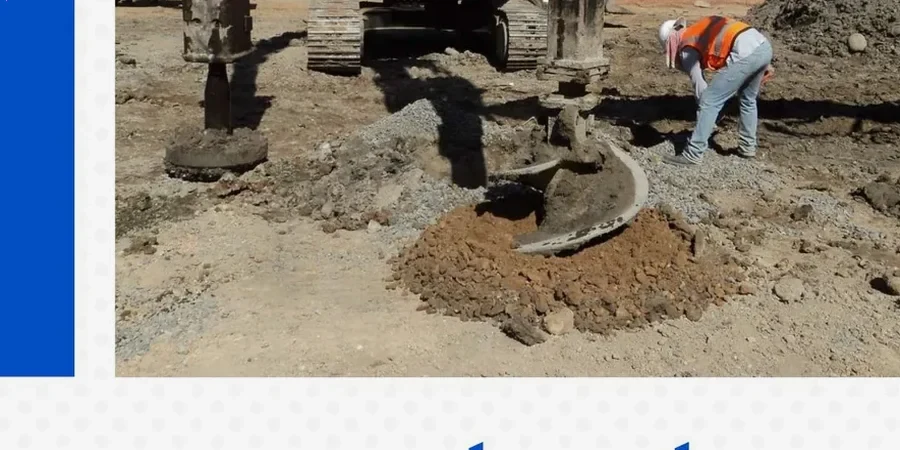
A vibroflot crawler rig with a bottom-feed hopper starts work on a riverside plot near the Orwell estuary. The rig feeds 40–75 mm crushed stone down a cylindrical probe, compacting it in lifts to form stiff inclusions through the soft alluvium. In Ipswich, ground conditions along the Gipping and Orwell corridors often mean standard footings are not viable without ground treatment. Stone column design addresses that constraint directly. Load transfer from the structure passes into the column, while the surrounding soil provides lateral confinement. The result is a composite ground mass with higher stiffness and shorter drainage paths. We prepare the design package: column diameter, grid spacing, replacement ratio, depth to bearing stratum and settlement verification under service loads. When the alluvium is organic or very loose, we combine the stone column layout with a plate load test on a trial column to confirm the design modulus before production starts.

A well-designed stone column grid can cut settlement by half while accelerating consolidation drainage in Ipswich’s low-permeability alluvial soils.
Our service areas

Process and scope

The geology beneath Ipswich is dominated by Cretaceous Chalk, but the valley floors are infilled with Holocene alluvium: soft clays, silts and peat layers that can reach 6 to 9 metres thick. Groundwater sits high, often within 1.5 m of the surface along the tidal reaches of the Orwell. A stone column solution here must handle low undrained shear strength — sometimes below 15 kPa — while keeping post-construction settlement within tolerable limits. Design follows BS EN 1997-1:2004 (Eurocode 7) and the recommendations of the ICE Ground Improvement manual. We model the column-soil interaction using Priebe’s method and finite element analysis when the layout is irregular or loads are eccentric. Key parameters include the area replacement ratio (typically 10–25 %), column diameter (600–900 mm), material specification (clean angular crushed rock, LA coefficient below 30) and depth to a competent bearing layer. On sites with thick compressible strata we specify partial depth columns where full penetration is not required, verified against a bulging failure check. For embankment approaches the design often integrates a slope stability analysis to confirm global stability during staged construction.
Stone Column Design in Ipswich: Ground Improvement for Soft Soils
Technical reference — Ipswich

Local considerations

In Ipswich we often see sites where the alluvium contains unrecorded peat lenses or buried organic silts, particularly near the former water meadows east of the town centre. A desk study and a few boreholes alone rarely catch these pockets. The risk is differential settlement: a column group partially founded on firm chalk marl and partially on compressible organics will tilt the slab. We mitigate this with a dense CPT test grid before design finalisation, logging tip resistance and pore pressure every 20 mm to map the soft spots. Another local risk is vibration-induced settlement of adjacent historic structures during column installation. Ipswich has timber-framed buildings from the 15th and 16th centuries; we set vibration monitoring thresholds at 2 mm/s PPV and adjust the vibroflot frequency accordingly. Omitting these steps leads to costly remediation and structural damage that insurance rarely covers fully.

Need a geotechnical assessment?

Reply within 24h.

Email: contact@geotechnical-engineering1.com

Reference standards

BS EN 1997-1:2004 (Eurocode 7: Geotechnical design – General rules), BS EN 1997-2:2007 (Ground investigation and testing), BS 5930:2015+A1:2020 (Code of practice for ground investigations), ICE Manual of Geotechnical Engineering – Ground Improvement chapter

Reference parameters

ParameterTypical value
Column diameter600–900 mm (bottom-feed method)
Area replacement ratio10–25 % depending on load and settlement target
Stone specificationHard angular crushed rock, LA < 30, 40–75 mm grading
Design depthTo Chalk or competent gravel; 6–12 m typical in Ipswich valleys
Spacing patternTriangular grid, 1.5–3.0 m centre-to-centre
Settlement reduction factorn = 2.0–3.5 (improvement factor per Priebe)
Undrained shear strength thresholdCu ≥ 12–15 kPa for bottom-feed installation

Frequently asked questions

How much does stone column design cost for a project in Ipswich?

Design fees for a stone column scheme in Ipswich typically range from £1,210 to £4,680, depending on the site area, number of columns, ground investigation data available and whether 2D or 3D finite element modelling is required. The fee covers the design report, CAD layout, settlement calculations and verification test specification. Installation costs are separate and depend on the contractor.

What ground conditions in Ipswich make stone columns necessary?

Stone columns are applied where the alluvium along the Gipping and Orwell valleys is too soft for shallow foundations. Typical conditions include soft silty clays with undrained shear strength below 30 kPa, peat layers, or loose saturated sands. The columns transfer load to a deeper competent stratum — usually the Chalk — while accelerating consolidation through vertical drainage.

Which design standard governs stone column design in the UK?

Design follows BS EN 1997-1:2004 (Eurocode 7) for ultimate and serviceability limit states. The ICE Manual of Geotechnical Engineering provides detailed guidance on ground improvement techniques including vibro stone columns. BS 5930:2015 governs the ground investigation that feeds the design parameters.

How do you verify that the installed columns perform as designed?

We specify plate load tests on a minimum of 1 in 50 columns, or at least three per project, applying 150 % of the design column load. The load–settlement curve is compared against the Priebe prediction. We also review installation logs: penetration rate, stone consumption per lift and ammeter readings from the vibroflot to confirm consistent compaction energy.

Location and service area

We serve projects in Ipswich and surrounding areas.

View larger map