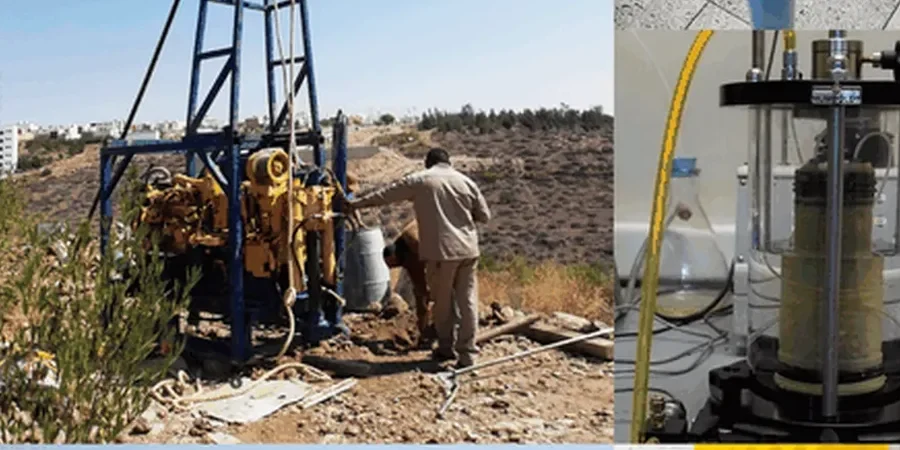
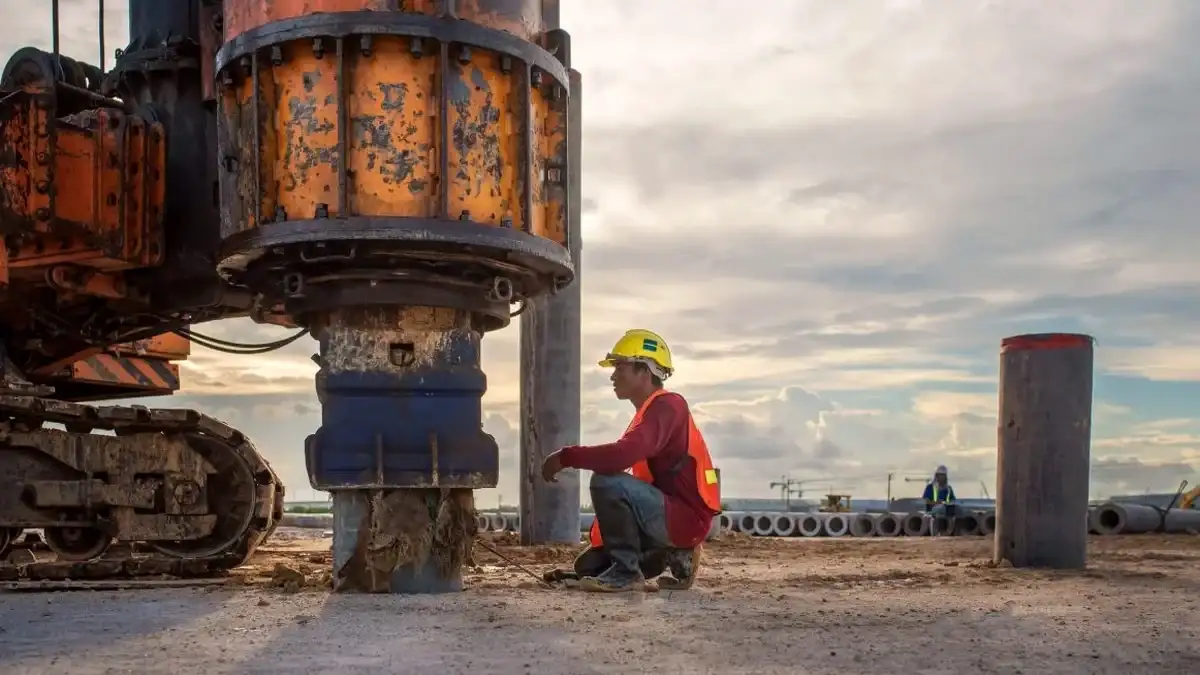
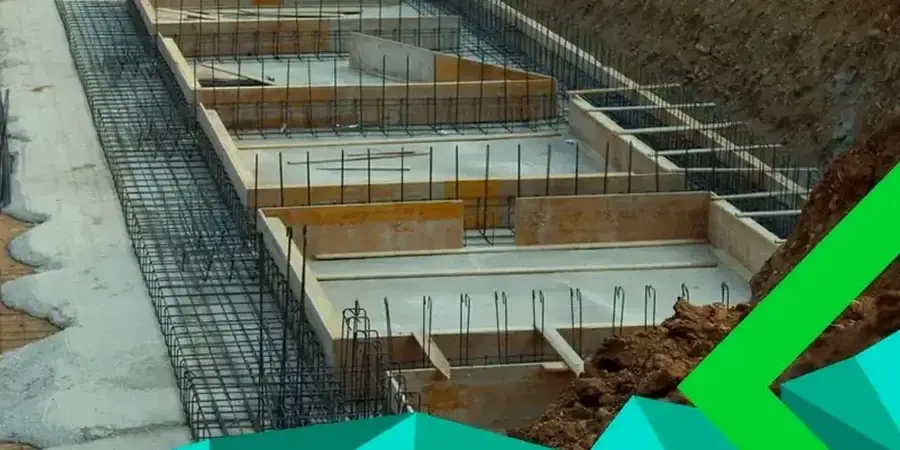
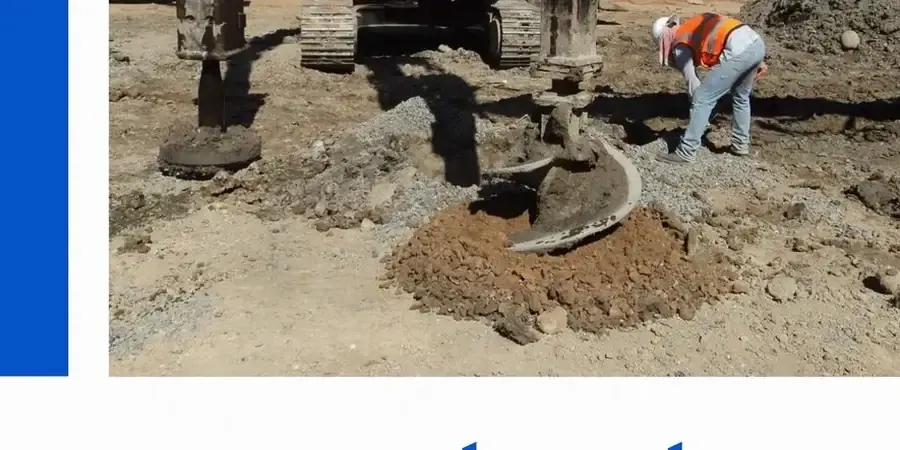
BS 5930:2015 and Eurocode 7 aren't just paperwork when you're breaking ground in Ipswich. The town sits on a tricky mix of London Clay, Thanet Sand, and layers of glacial till that change character within a few hundred metres. We've seen it firsthand: a site near the Waterfront behaves completely differently from one up by Ipswich Hospital. Getting a proper soil mechanics study sorted early means you're not guessing at bearing capacity or settlement, you're designing from real data. It's the difference between a straightforward foundation dig and a costly surprise once the excavators are already on site. The local geology doesn't read the textbook, so we test the ground where you're actually building, running triaxial and oedometer tests back at our lab while correlating everything with the borehole logs from your plot. The CPT test is often our go-to for the soft alluvial zones near the Orwell estuary, giving us a continuous profile without the sample disturbance you'd get from traditional boring in those conditions.
Ipswich sits on a complex transition between London Clay and Crag Basin deposits—assuming uniform ground conditions across a site here is the fastest way to a foundation failure claim.