Q&A
What does a flexible pavement design cost for a typical Ipswich residential access road?
For a single residential access road or small car park in Ipswich, the combined subgrade investigation and pavement design package typically falls between £1,310 and £3,980. The range depends on the number of CBR test locations required, whether trial pits or boreholes are needed to reach formation level, and the complexity of the pavement section (a simple cul-de-sac with light traffic costs less than a bus route or industrial access requiring higher design traffic). We provide a fixed-price proposal after reviewing your site plan and understanding the adoption requirements from Suffolk County Council.
How does the Anglian till in Ipswich affect flexible pavement design?
Anglian till, the chalky boulder clay that covers much of Ipswich, is a lodgement till—dense, overconsolidated, and generally a good foundation when dry. However, its behaviour changes significantly with water content. In wet winters, the upper metre can soften to a CBR of 2-3%, requiring a thicker capping layer than the summer condition would suggest. We always test at soaked moisture content and design for the winter condition. The till also contains flints and chalk fragments that can puncture a geotextile separator if not properly bedded, so we specify a minimum sand blinding layer when using geotextiles over this material.
What’s the difference between flexible and rigid pavement for an Ipswich industrial yard?
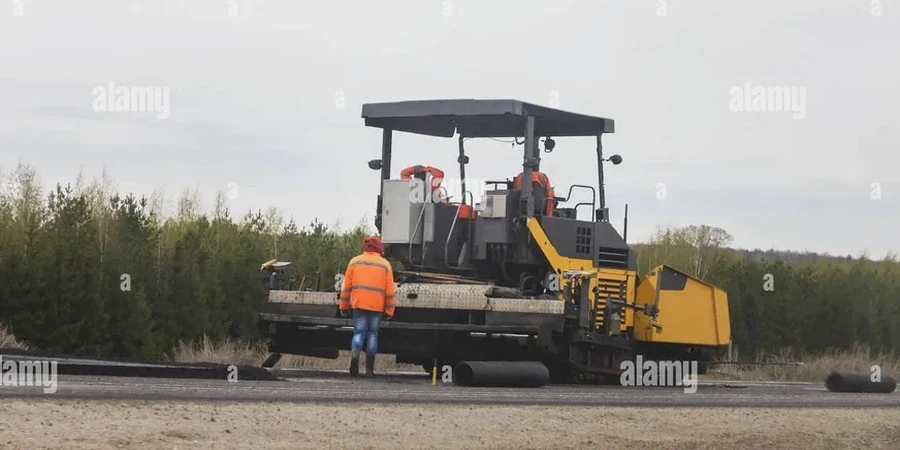
Flexible pavements use granular layers and bituminous bound materials that flex under load, distributing stress through the aggregate interlock. Rigid pavements use a concrete slab that spans softer subgrades. For Ipswich industrial yards on the river terrace gravels, flexible is often the economical choice—the gravel provides good drainage and high CBR, so a thinner pavement section works. On the alluvial silts near the Orwell, where CBR can drop below 2%, a rigid pavement might be specified to bridge the weak soil, or a heavily thickened flexible section with a stabilised capping layer. We assess both options and recommend based on your loading, budget, and maintenance expectations.
Do you handle the Suffolk County Council adoption process for new roads?
Our pavement designs are prepared to comply with Suffolk County Council’s adoption requirements under Section 38 of the Highways Act 1980. We reference the DMRB and the Manual of Contract Documents for Highway Works (MCHW) throughout the design report, and we include the geotechnical justification that the Council’s engineers expect to see. We can liaise directly with the adopting authority during the technical approval stage, responding to comments and providing additional test data if required. The design package includes everything needed for the Section 38 submission from a pavement perspective.
How long does the investigation and design process take for an Ipswich project?
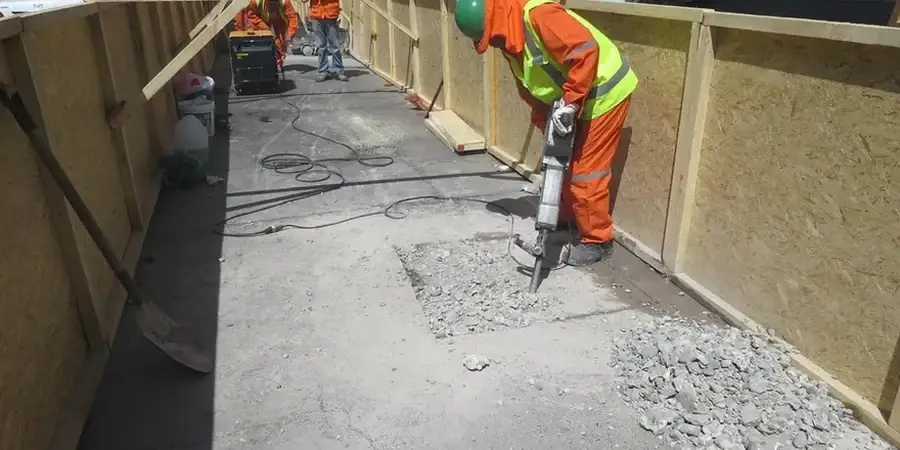
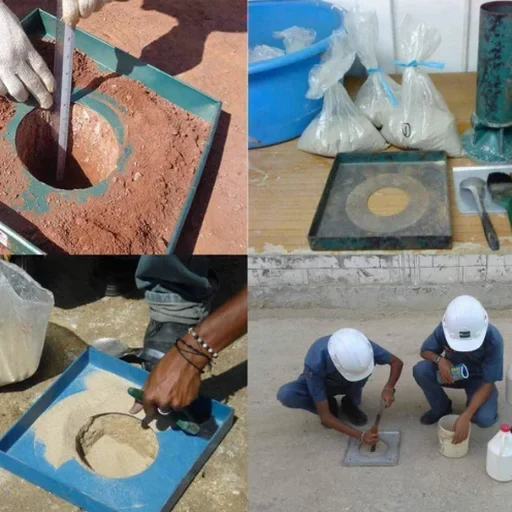
A typical programme runs two to three weeks from mobilisation to final design report. Week one covers the site work: trial pits or boreholes, in-situ CBR testing, and sample recovery. Week two is laboratory testing, including soaked CBR, particle size distribution, and plasticity index where relevant. Week three is the pavement analysis and design, producing the layer thicknesses, material specifications, and construction drawings. Larger sites with complex ground conditions or multiple pavement zones may need an additional week. We schedule work around your construction programme and can phase the investigation to suit site access windows.